
At the end of the day, what we all really want is a good life – a life that is fulfilling, happy, and full of meaning.
So what does it take to live a good life? According to the famous quote, it’s all about assuming nothing, doing more, wanting less, smiling often, dreaming big, laughing a lot, and realizing how blessed you are.
Assuming nothing means not taking things for granted and being open to new possibilities. Doing more means taking action and making things happen. Wanting less means being content with what you have and not constantly chasing after more. Smiling often means finding joy in the small things and appreciating life’s simple pleasures. Dreaming big means having goals and aspirations that stretch beyond your current circumstances. Laughing a lot means finding humor and joy in life, even in tough times. And finally, realizing how blessed you are. Being grateful for all the good things in your life and recognizing that they are not guaranteed.
Living a good life is not always easy, but by embodying these habits, you can start to create a life that is more fulfilling and meaningful. So take a step back, breathe, and remember what really matters.
“Deciding what not to do is as important as deciding what to do.” This thought-provoking quote reminds us that making conscious decisions about our priorities and commitments is crucial for a balanced and fulfilling life. I will discuss the importance of carefully choosing our actions, the benefits of setting boundaries, and strategies for effective decision-making.
Setting priorities helps us focus on what truly matters.
Establishing boundaries protects our time and energy.
Learning to say no can lead to increased productivity and well-being.
Reflecting on our values and goals can guide our decisions.
Embracing flexibility allows us to adapt and reassess our choices.
Real-life instances can demonstrate the significance of maintaining equilibrium between the actions we should take and the ones we shouldn’t in our daily existence.
Example 1: Time Management at Work Sophia, a busy marketing executive, realized her workload needed to be manageable. So she reassessed her priorities and delegated some of her tasks to her team members. By choosing not to do everything herself, Sophia freed up time to focus on her most critical responsibilities, increasing productivity and reducing stress.
Example 2: Personal Relationships James constantly agreed to social engagements, leaving him little time for himself. He decided to be more selective about the events he attended, prioritizing those that aligned with his values and goals. This conscious decision allowed James to invest more time in meaningful relationships and personal pursuits, leading to greater satisfaction and well-being.
Example 3: Pursuing a Passion Anna, a passionate musician, struggled to balance her day job and her love for music. Finally, she decided to eliminate some of her non-essential commitments and dedicate more time to her musical aspirations. By prioritizing her passion, Anna was able to develop her skills, grow her audience, and ultimately achieve success as a professional musician.
Making deliberate choices about our actions and setting boundaries are essential for a balanced and fulfilling life. We can increase productivity, well-being, and overall satisfaction by reflecting on our values, establishing priorities, and learning to say no. Remember, “Deciding what not to do is as important as deciding what to do.” Cultivate the art of choice, and you’ll be on the path to a more intentional, purposeful, and rewarding life.
Have you ever found yourself with a great idea, but not knowing how to get started? It can be overwhelming to figure out where to begin, but the key is to just start. Here are some tips to help you take that first step toward making your idea a reality.
Make Lists
One of the best ways to get started is to make lists. Write down everything you need to do to make your idea a reality. This can include things like research, finding funding, creating a plan, and reaching out to potential partners or customers. Breaking down the process into manageable steps can help you feel less overwhelmed and more focused.
Write It Down
Once you have your list, write it down. Seeing your ideas and plans on paper can help you visualize your goals and keep track of your progress. You can also use this as a tool to stay accountable and motivated.
Learn
Research is essential to making your idea a reality. Take time to learn as much as you can about your idea and the industry or market you’re interested in. This can help you identify potential obstacles, competitors, and opportunities for growth.
Plan
After you’ve gathered information and created your list, it’s time to create a plan. This can include setting goals, creating a timeline, and identifying the resources you need to make your idea a reality. A well-thought-out plan can help you stay on track and measure your progress.
Get Advice
Don’t be afraid to ask for help or advice. Reach out to mentors, peers, or experts in your field to get feedback on your idea and help you navigate the process. You can also seek out resources like workshops, classes, or online communities to connect with like-minded individuals and gain additional support.
Start
Finally, the most important step is to start. Take action towards your goals, even if it’s just a small step. Whether it’s reaching out to a potential partner or customer, starting a social media account for your business, or creating a prototype of your product, taking action can help you gain momentum and move closer to your goals.
Talk Your Idea Out With Someone You Trust
Sometimes it can be helpful to talk your idea out with someone you trust. This can be a friend, family member, or mentor who can provide feedback and support. Talking through your ideas and plans can help you clarify your vision and identify potential challenges or opportunities.
Starting can be the hardest part of turning your idea into a reality, but remember, every successful venture starts with a single step, so take that step today and see where it leads you.
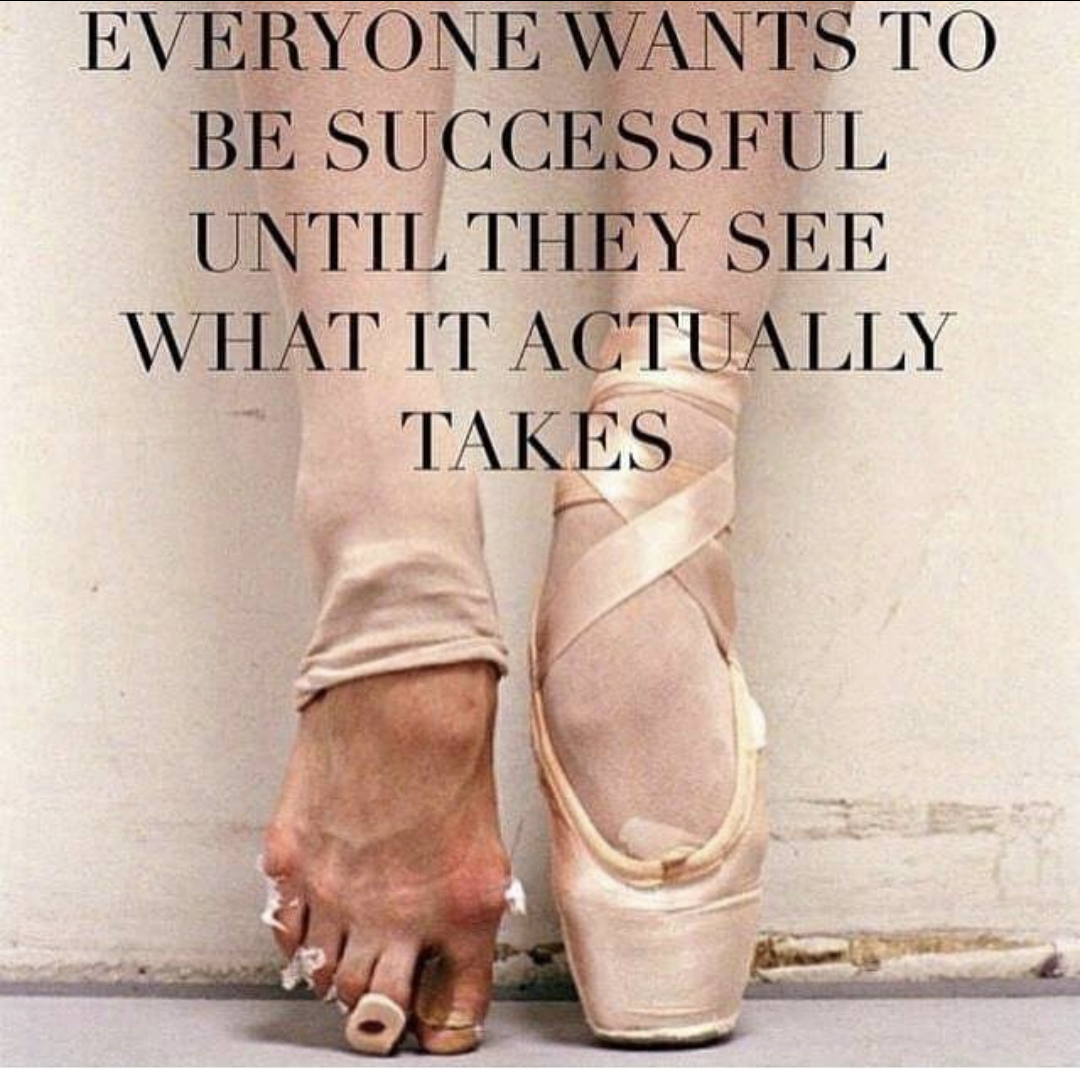
Success requires effort and hard work. It is not something that can be achieved overnight or without putting in the necessary time and energy. Successful people often work long hours, sacrifice their leisure time, and push themselves to the limit to achieve their goals. Success also requires persistence and resilience. Setbacks and failures are inevitable on the road to success, and it takes mental toughness to overcome them and keep going. Successful people learn from their mistakes and use them as opportunities to grow and improve.
Success rarely comes easy, but it is achievable for those who are willing to put in the effort, persistence, and resilience required to achieve their goals. Learning from setbacks and failures, working hard, and never giving up are essential qualities for success.
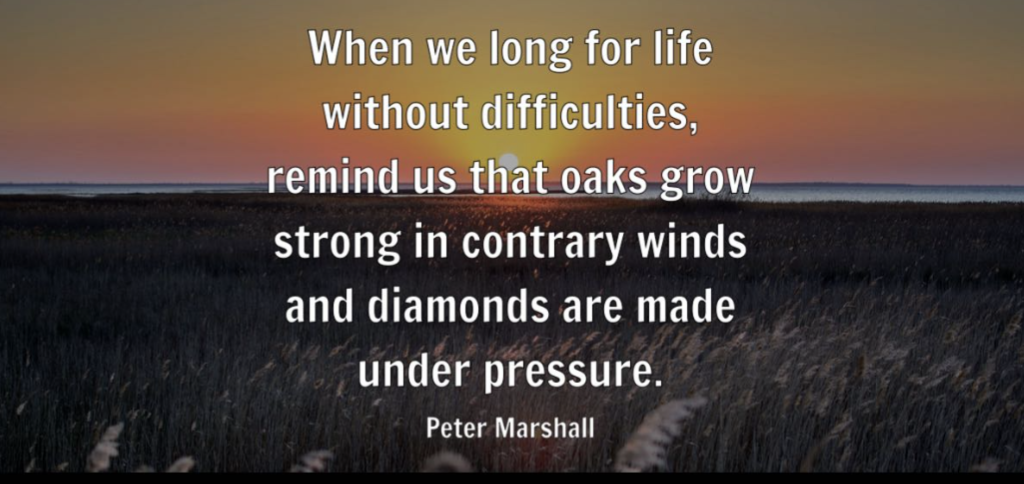
Diamonds are formed deep within the Earth’s mantle, under extreme pressure and heat. This pressure is created by the weight of the overlying rock and the Earth’s gravitational pull. The intense pressure and heat cause carbon atoms to bond together in a unique way, forming the crystal lattice structure that gives diamonds their characteristic hardness and brilliance.
It’s amazing to think that something so beautiful and valuable can come from such intense pressure. But diamonds aren’t the only things that can be formed under pressure. People can also be shaped and transformed by the pressure they face in life.
Think about it: when you’re facing a difficult situation, you often have to dig deep and find the inner strength you never knew you had. You may have to make tough decisions, push yourself harder than ever before, and come out on the other side as a stronger, more resilient person.
An athlete preparing for an important competition. Before a big game or event, athletes may experience doubts and insecurities about their abilities to perform at their best. However, in order to perform at their peak level, they must learn to inhale confidence and exhale doubt.
For instance, a basketball player who struggles with free throws may doubt their ability to make an important shot in the game. But if they focus on inhaling confidence and believing in themselves, they can exhale their doubts and perform with greater clarity and focus. They can visualize themselves making the shot successfully and approach the free throw line with a sense of calm and confidence.
A CEO who is considering expanding their company’s operations into a new market may feel doubt and uncertainty about the potential risks and challenges involved. However, by inhaling confidence and exhaling doubt, they can focus on the potential rewards and benefits of the expansion, and take decisive action based on their belief in the company’s vision and mission. This can involve investing resources, building a new team, and establishing a presence in the new market, all while staying committed to the long-term success of the business. Through this process, the CEO demonstrates confidence in their ability to lead the company and navigate challenges, which can inspire confidence in their employees, investors, and customers as well.
By inhaling confidence and exhaling doubt, we can push past our insecurities and focus on our abilities and strengths, which can ultimately lead to improved performance and greater success.
“The only way to do great work is to love what you do. If you haven’t found it yet, keep looking. Don’t settle.” This inspiring quote emphasizes the importance of finding and pursuing our passions to achieve success and fulfillment in life. I will explore the value of loving what we do, the benefits of following our desires, and ways to stay motivated in our search.
I love that what we do leads to increased motivation and productivity.
Pursuing our passions fosters personal growth and satisfaction.
It’s essential to be patient and persistent in our search for passion.
Exploring new opportunities and experiences can help us discover our passions.
Sharing our passions with others can inspire and uplift those around us.
Career Change Samantha, a successful lawyer, realized that her true passion lay in helping animals. So, despite having a stable and lucrative career, she decided to follow her heart and transition into animal welfare. As a result, Samantha found immense satisfaction and fulfillment in her new role, and her dedication to her work led to meaningful and impactful contributions in her field.
Rediscovering Art After years of working in a corporate job, Tom rekindled his love for painting during an art class. Inspired by his rediscovered passion, Tom dedicated more time to his artistic pursuits. He eventually found success as a professional artist, and his enthusiasm for his work led to creative and financial achievements and brought him deep personal fulfillment.
Starting a Non-Profit When Jane discovered her passion for empowering underprivileged youth, she left her finance job and established a non-profit organization. Though the journey was challenging, her love for her work fueled her dedication and perseverance. The impact of her organization on the lives of the young people she served brought her immense joy and a sense of purpose.
Loving what we do and pursuing our passions is the key to achieving great work and personal fulfillment. It’s essential to stay patient, persistent, and open to new experiences in our search for what truly ignites our enthusiasm. Remember, “The only way to do great work is to love what you do. If you haven’t found it yet, keep looking. Don’t settle.” Embrace your passions, and you’ll be on the path to a more meaningful, satisfying, and successful life.
Something to make you laugh: Why did the tomato turn red? Because it saw the salad dressing! Like the tomato, discovering and embracing our passions can reveal our true colors and lead to a more vibrant and fulfilling life.
“Man is but the product of his thoughts. What he thinks, he becomes.” These powerful words by Mahatma Gandhi reveals our thoughts’ incredible influence on our lives. This idea applies not only to our personal growth but also to our relationships, academic performance, and even our careers. Lets will delve into thoughts and their impact.
Thoughts shape our beliefs and attitudes.
Thoughts affect our emotions and well-being.
Thoughts can lead to self-fulfilling prophecies.
Positive thinking can bring about positive outcomes.
We have the power to control and change our thoughts.
Example 1: Academic Success:
Consider the story of Carla, a high school student who struggled with math. Initially, she believed she would never excel in the subject, and her negative thoughts only reinforced her poor performance. However, she saw improvement when she changed her mindset and approached math positively. Carla’s newfound confidence in her abilities enabled her to conquer her fear of math and achieve better grades.
Example 2: Athletic Performance
Another example is John, a talented basketball player with the skill and potential to become a star athlete. However, his self-doubt and negative thoughts prevented him from reaching his full potential. His performance improved dramatically when John started to believe in himself and visualize his success on the court. As he embraced a positive mindset, he became a leading player on his team and eventually earned a college scholarship.
Example 3: Entrepreneurial Journey
Lastly, let’s look at the entrepreneurial journey of Sarah, who started her own business. In the beginning, Sarah encountered numerous setbacks and challenges. However, she didn’t let her negative thoughts get in the way of her goals. Instead, she maintained a positive outlook, learned from her mistakes, and persevered. Her unwavering belief in her vision helped her business thrive and succeed.
Our thoughts profoundly impact our lives, shaping our beliefs, attitudes, emotions, and actions. We can better transform our lives by embracing positive thinking and harnessing our thoughts’ power. Whether you’re facing academic challenges, athletic pursuits, or personal goals, remember that your thoughts are crucial in your journey. Gandhi wisely said, “Man is but the product of his thoughts. What he thinks, he becomes.” So, think positively, believe in yourself, and you’ll be on your way to becoming the best version of yourself.
A little joke to lighten the mood: Why don’t scientists trust atoms? Because they make up everything! Much like atoms, our thoughts make up the reality we live in, so it’s essential to keep them in check.
The Secret contains wisdom from modern-day teachers—men and women who have used it to achieve health, wealth, and happiness. By applying the knowledge of The Secret, they bring to light compelling stories of eradicating disease, acquiring massive wealth, overcoming obstacles, and achieving what many would regard as impossible.
As an Amazon Associate, I earn on qualifying purchases.