Come here, kid. Let me tell you something I’ve learned after a few more years on this earth than you.
There’s this old story, goes like this:
A farmer had a horse. One day, the horse ran off. The neighbors came around and said, “What bad luck!” The farmer just shrugged and said, “Maybe so.”
A few days later, the horse came back, and brought two wild horses with it. Now the neighbors said, “What good luck!” The farmer said again, “Maybe so.”
Then the farmer’s son tried to tame one of the wild horses, got thrown, and broke his leg. “Oh no, that’s awful luck,” the neighbors said. And the farmer just nodded and said, “Maybe so.”
Soon after, the army came to the village looking to draft young men into a war. But because the son had a broken leg, they left him behind.
Now, see what I’m saying?
Life’s Not Always What It Looks Like
Sometimes things happen and we’re quick to call them good or bad. But life’s got a funny way of twisting and turning on you. What seems like a bad thing might be the very thing that keeps you safe. What seems like good luck might come with a lesson you didn’t ask for.
You won’t always see the full picture when you’re standing in the middle of it.
Slow Down Before You Judge
Now, I’ve lived through a lot of “good” days that turned out tougher than I expected. And I’ve had hard times that led to something better—though I couldn’t see it back then.
So when something doesn’t go your way, don’t go cussin’ at the sky just yet.
Just take a breath. Say, “Maybe so.” Then keep going.
Keep Your Head Up, Kid
The truth is, most of life doesn’t follow your plans. You plant your seeds, you do the work, and then you wait. Things grow in their own time.
You’ll be alright. Just don’t rush to label every moment. The story ain’t over yet.
We’re curious by design—curious about how someone decorated their home, how they landed their job, how they spend their weekends or parent their kids. This kind of curiosity can be healthy. It helps us learn, grow, and understand the world around us.
But curiosity turns sour when it crosses the line into comparison.
Curiosity Inspires. Comparison Deflates.
When we’re curious, we ask:
What’s their story?
What can I learn from this?
What do I genuinely admire about this?
But when we compare, we ask:
Why don’t I have that?
What’s wrong with me?
Am I falling behind?
Comparison turns someone else’s joy or success into a measuring stick for our own worth. It takes a moment of interest and turns it into self-doubt. And the truth is—comparison steals far more than it gives.
The Secret? Stay in Your Lane
Just because you’re curious about someone’s life doesn’t mean you have to insert yourself into their path. Their home might be stunning. Their career may seem picture-perfect. That’s okay. Let it inspire you, not define you.
Your life is unfolding at your pace. Their journey is not your journey.
Stay curious. Be open. Celebrate others. And then come back to your own life and ask, What do I want to create for myself?
You’re Not Falling Behind
One of the most liberating truths is this: you are not behind. Life is not a race. You’re not late to your own story.
So go ahead—admire the view from someone else’s path. Appreciate the detail. Ask questions. Be curious. But don’t forget: your life, your values, and your journey matter just as much.
Curiosity is a gift. Comparison is a thief. Stay grounded in who you are, even while appreciating what others are doing. Live your story—not theirs.
There’s an overwhelming pressure to do everything perfectly. From keeping up with work deadlines to managing family responsibilities, we often put immense pressure on ourselves to meet impossible standards. But what if the key to peace and personal growth isn’t about perfection? What if it’s about giving ourselves grace and learning how to breathe through the chaos?
The Myth of Perfection
We’ve all heard the saying, “Nobody’s perfect,” but do we truly believe it? In a world where social media feeds highlight flawless lives, and workplace expectations seem to grow higher each day, it’s easy to feel like we’re constantly falling short. The truth is, perfection is an illusion. No matter how hard we try, there will always be room for improvement. What matters most, however, is how we respond to the imperfections—not just in ourselves, but in life itself.
Embracing Grace: A Shift in Perspective
Grace is the antidote to perfectionism. It’s the act of letting go of the need to control everything and accepting that, sometimes, things won’t go as planned. It’s about being kind to yourself when you make mistakes, understanding that you don’t have to have it all figured out.
Instead of demanding that you get everything right, try embracing the idea that you’re allowed to make mistakes, learn, and grow. Grace allows you to show yourself compassion in moments of struggle. It encourages you to take a breath, pause, and remember that you’re doing the best you can with the knowledge and resources you have.
How to Invite Grace into Your Life
1. Release the Need for Control
When you try to control every outcome, you’re setting yourself up for frustration. Life is unpredictable, and sometimes the best thing you can do is let go. Trust the process and trust yourself. Allow things to unfold naturally, rather than micromanaging every detail.
2. Celebrate Small Wins
Perfectionism often leads us to focus on what went wrong. It’s time to shift that focus. Celebrate the small wins—the things you’ve done well, even if they seem insignificant. Every step forward is progress, and that’s worth celebrating.
3. Practice Self-Compassion
When you make a mistake, avoid the urge to be hard on yourself. Instead, practice self-compassion. Talk to yourself like you would talk to a friend who is going through a tough time. Acknowledge that mistakes are a part of life and an opportunity for growth.
4. Take Time to Breathe
In moments of overwhelm, stop and take a breath. Literally. Take a moment to pause, ground yourself, and reconnect with your inner peace. This simple act can reset your mind and help you approach challenges with a fresh perspective.
5. Let Go of Comparison
One of the biggest traps of perfectionism is constantly comparing yourself to others. Social media amplifies this feeling, with curated snapshots of seemingly perfect lives. The truth is, everyone is facing their own struggles, even if they’re not visible. Focus on your own journey, and embrace where you are right now.
Why Grace is a Superpower
When you give yourself grace, you unlock a powerful force for personal growth and peace. You stop fighting against yourself and start flowing with life. You acknowledge that progress isn’t linear, and that’s okay. Every setback is a setup for a comeback. Through grace, you allow room for mistakes, learning, and eventual success.
Grace doesn’t mean laziness or complacency. It means acknowledging your humanity and making room for growth. By taking the pressure off, you open yourself to new possibilities, new ideas, and a more balanced way of living.
The Takeaway
Perfection isn’t the goal—peace is. When you stop trying to do everything right and give yourself the grace to make mistakes, you create space for a more fulfilling, balanced life. You can breathe through the struggles and learn from them, trusting that you’re exactly where you need to be.
So, the next time you feel overwhelmed by the need to be perfect, take a breath, remind yourself of your progress, and know that you are enough—right here, right now. Through grace, you’ll find your way.
Life has a way of moving fast—days turn into weeks, weeks into years, and before we know it, moments have slipped away. But when we slow down and embrace gratitude, something incredible happens. The world feels richer, family and friends become more precious, and even the simplest moments feel like gifts.
1. Gratitude Changes How You See the World
When we focus on what’s missing, life feels like a constant chase. But when we focus on what we have, everything shifts. A morning cup of coffee becomes a quiet moment of peace. A conversation with a loved one becomes a treasure. Gratitude turns the ordinary into something extraordinary.
2. Family and Friends Become More Precious
It’s easy to take people for granted, assuming they’ll always be there. But gratitude reminds us to cherish our loved ones today—not just on birthdays or holidays, but every single day. A simple “thank you” or “I appreciate you” can deepen connections in ways we never imagined.
3. Gratitude Makes Life Sweeter
Gratitude isn’t about pretending life is perfect. It’s about recognizing the beauty even in the midst of challenges. The hard days make us stronger. The good days remind us why life is worth embracing. And through it all, gratitude makes each moment feel more meaningful.
4. Start Today: Simple Ways to Practice Gratitude
Keep a gratitude journal – Write down three things you’re grateful for each day.
Tell people you appreciate them – A simple message can brighten someone’s day.
Pause and enjoy the moment – Savor the little things: laughter, sunsets, and quiet mornings.
Shift your mindset – Instead of focusing on what’s wrong, focus on what’s right.
The more we practice gratitude, the sweeter life becomes. Family feels closer, friendships grow deeper, and each day feels like a gift. So take a deep breath, look around, and find something—big or small—to be grateful for today.
Grandparents have a unique way of telling stories that stick with us for a lifetime. These stories often come from a place of wisdom, nostalgia, and humor, giving us glimpses into the lives they lived before we were born. They are the bridge that connects us to our history and remind us of the timeless lessons learned through experience.
One of the most cherished types of stories is the one a grandparent tells about their childhood—those tales of simpler times, adventurous escapades, and lessons learned the hard way. These stories have a magical way of not only entertaining us but also teaching us valuable life lessons that stay with us long after the words have been spoken.
Take, for example, a story about a grandpa’s mischievous summer. Imagine him telling you:
“When I was your age, we didn’t have all these gadgets you kids have. Our summers were spent outside—racing bikes down hills, building forts in the woods, and climbing trees. One summer, my friends and I decided to race our bikes down the biggest hill in town. It was so steep that by the time we hit the bottom, our tires were practically smoking! I’ll never forget the look on my mom’s face when I came home with scraped knees. But she always said, ‘You’re alive and well, that’s what matters!’”
These kinds of stories offer a window into the past, showing us that while times have changed, the excitement of childhood and the joy of adventure remain the same. In this story, there’s a perfect blend of youthful recklessness, a bit of humor, and a powerful lesson. It reminds us that sometimes, taking risks is part of growing up, but that safety and well-being should always be a priority.
Why We Love These Stories
There are several reasons why we treasure these stories from our grandparents:
They Offer Wisdom Grandparents have lived through different eras, and their stories often come with the gift of hindsight. They’ve made mistakes, learned lessons, and gained wisdom along the way. By listening to their stories, we get the chance to learn from their experiences without having to go through the same struggles ourselves.
They Connect Us to the Past Stories from a grandparent about their childhood, their first job, or their life before we came along, help us feel connected to the generations before us. They give us a deeper understanding of our family’s history and sometimes even shed light on parts of our own identity that we hadn’t thought about before.
They Teach Us About Resilience The tales our grandparents tell often feature moments of difficulty, but they also highlight how they overcame those challenges. Their stories teach us how to face adversity, handle disappointment, and come out stronger on the other side.
They’re Full of Humor and Heart Whether it’s a funny incident, a ridiculous situation, or a playful exaggeration, grandparent stories are often filled with humor. These funny moments help us see the lighter side of life and show us that, even in tough times, laughter can be a source of strength.
They Offer a Sense of Belonging Grandparents’ stories help us feel like we’re part of something bigger than ourselves. We realize we’re part of a larger tapestry of experiences and memories that stretch far beyond our own lives.
The Value of Storytelling in Today’s World
In today’s fast-paced digital world, we may not always take the time to sit down and listen to those oral histories from our grandparents. Yet, these stories are an invaluable part of our cultural heritage. They serve as reminders that the bonds we share with others—whether family or friends—are strengthened by shared experiences and stories.
So, next time you have the chance, sit down with your grandparents and ask them to tell you a story. You might just be surprised by what you learn, not only about their lives but also about your own.
The stories that grandparents share with us are more than just entertainment—they’re life lessons, windows to the past, and guides for how we can live better lives. Whether it’s about an adventurous bike ride down a steep hill or the wisdom they’ve gained over the years, we all benefit from listening to these cherished tales. In doing so, we not only keep those stories alive but also carry the lessons forward for generations to come.
There’s something special about an Irish blessing. Rooted in warmth, wisdom, and tradition, these heartfelt words have been passed down through generations, offering comfort and encouragement. One of my favorites are the lines:
“May the sunbeam to warm you, laughter to cheer you, and friends near you.”
Simple yet profound, this blessing captures the essence of what matters in life.
A Sunbeam to Warm You ☀️
The sun symbolizes light, warmth, and hope. Just as the sun rises each morning, this part of the blessing reminds us that brighter days are always ahead. Life will have its storms, but warmth and light will find us again.
Whether it’s the kindness of a stranger, a moment of peace in nature, or the comfort of home, there are always “sunbeams” to be found if we take the time to notice them.
Laughter to Cheer You 😄
Laughter is a universal language of joy. It lifts spirits, heals hearts, and strengthens bonds. This blessing encourages us to embrace moments of joy, even in tough times.
Laughter reminds us not to take life too seriously. A shared joke, a funny memory, or the giggles of a child can be powerful reminders of the good in life.
Friends Near You 🤝
No journey is meant to be traveled alone. Having friends nearby—whether physically or in spirit—makes all the difference. They celebrate our wins, lift us up in hard times, and remind us that we are never truly alone.
This part of the blessing encourages us to cherish our relationships, nurture our friendships, and always make space for those who bring light into our lives.
Irish blessings, like this one, remind us to focus on what matters: warmth, joy, and connection. In a world that can often feel rushed and uncertain, these simple words offer timeless wisdom.
So, may you always have a sunbeam to warm you, laughter to cheer you, and friends near you. And may you, in turn, be a source of warmth, laughter, and friendship to others. 🍀💚
Whether you’re raising kids or leading a team at work, your goal isn’t just to help them get through today—it’s to equip them with the skills, mindset, and confidence to succeed for a lifetime. The old saying rings true: “Give a man a fish, and you feed him for a day. Teach him how to fish, and you feed him for a lifetime.”
So, how do you move from doing everything for them to teaching them to do it for themselves?
1. Encourage Problem-Solving
It’s tempting to jump in with answers when a child or team member struggles, but real growth happens when they figure it out on their own. Instead of solving the problem, ask: 🔹 “What do you think would work?” 🔹 “Have you encountered this before? What did you do?” 🔹 “What’s one step you can take right now to move forward?”
By guiding them to think critically, you build confidence and independence.
2. Let Them Fail (And Learn from It)
Failure isn’t the opposite of success—it’s part of the journey. Whether it’s a child struggling with a school project or an employee missing a deadline, resist the urge to rescue them. Instead, help them reflect: ✅ What went wrong? ✅ What could they do differently next time? ✅ How can they turn this into a learning experience?
Mistakes are powerful teachers if we allow them to be.
3. Teach Skills, Not Just Tasks
A child who learns how to cook doesn’t just make one meal—they gain a lifelong skill. A team member who learns how to manage their workload doesn’t just complete one project—they become more effective in their career. Focus on: 🔹 Teaching processes, not just giving instructions. 🔹 Helping them understand the why behind what they’re doing. 🔹 Encouraging ownership so they take initiative.
4. Step Back and Trust the Process
The hardest part? Letting go. Whether it’s allowing your kids to make their own decisions or trusting your team to handle a project, stepping back is key. Give them the tools, set expectations, and then let them take the lead.
Whether at home or in the workplace, true leadership isn’t about doing everything for others—it’s about equipping them to do it themselves. Teach them to “fish,” and you won’t just help them succeed today—you’ll set them up for a lifetime of growth, confidence, and resilience.
Who in your life needs you to teach, not just do? Start today. 🎣🔥
Life’s challenges often feel like they’re trying to bury us. Whether it’s a difficult relationship, work stress, or personal struggles, it can feel like we’re weighed down by everything happening around us. But what if, like the donkey in the ancient Greek parable, we could use the obstacles in our way to rise above them?
Let’s dive into the story of The Farmer and the Donkey and explore how it holds a powerful lesson for how we approach challenges, especially in our relationships.
The Story of the Farmer and the Donkey
In this classic Greek parable, a farmer’s donkey accidentally falls into a deep well. After assessing the situation, the farmer comes to a conclusion: the donkey is old, and the well is deep and difficult to reach. Instead of attempting to rescue the animal, the farmer decides that the donkey is beyond help and starts to bury it by shoveling dirt into the well.
However, as the dirt piles up, something amazing happens. Instead of being buried by the weight of the dirt, the donkey shakes it off and steps on top of it. With each shovel of dirt, the donkey continues to shake it off and rise higher. Eventually, the donkey steps out of the well, free and alive.
The Lesson: How We Respond Makes the Difference
The lesson from this parable is clear: challenges can either bury us or help us grow—how we respond to them determines the outcome. Just as the donkey used the dirt to rise above its circumstances, we can choose to use the “dirt” that life throws at us to grow stronger and more resilient in our relationships.
1. Embrace Life’s Challenges as Opportunities for Growth
In relationships, we often face obstacles—misunderstandings, disagreements, or external pressures. It’s easy to feel defeated by these challenges, but what if we shifted our perspective? Instead of letting those difficulties bury us, we can view them as opportunities to learn, evolve, and strengthen our bonds.
When we encounter conflict with others, it’s not about avoiding it but how we navigate it. Do we close off, or do we shake off the negativity and step forward with patience and understanding? Growth comes from overcoming these obstacles together.
2. Responding with Resilience
In life, the dirt we face can feel overwhelming. Whether it’s a harsh comment from a loved one, a breakdown in communication, or a series of stressful situations, the weight of the challenge can feel heavy. But just as the donkey shook off the dirt and stepped higher, we can cultivate resilience in our relationships by responding with patience, compassion, and determination.
Resilience isn’t about avoiding pain or discomfort; it’s about choosing how we respond to it. Do we let setbacks define us, or do we find the strength to rise above them? The more we practice resilience, the stronger our relationships become, and the easier it becomes to navigate life’s ups and downs together.
3. Don’t Let Negative Thoughts Bury You
One of the biggest challenges in relationships is the negative thoughts we sometimes have about ourselves or others. When things aren’t going well, it’s tempting to fall into the trap of self-doubt or assume the worst about others. But much like the donkey shaking off the dirt, we can choose to let go of these negative thoughts instead of letting them bury us.
By focusing on solutions, expressing empathy, and keeping a positive mindset, we can turn moments of tension into opportunities for connection and growth.
4. The Power of Perspective in Relationships
The farmer’s decision to bury the donkey may seem like an easy way out, but the donkey’s ability to use the situation to rise above shows us the power of perspective. In any relationship, how we choose to see things can have a profound impact. We can choose to see challenges as roadblocks or as stepping stones.
When we approach relationship difficulties with the mindset that we can rise above them, we invite growth, understanding, and stronger connections. Perspective is everything. When we see obstacles as temporary setbacks, rather than permanent failures, we empower ourselves to move forward together.
Don’t Let the Dirt Bury You
The Farmer and the Donkey teaches us an important truth: Life and relationships will always have their share of challenges, but how we respond to those challenges shapes our future. Instead of being buried by the difficulties we face, we can shake off the dirt and use it as fuel to rise higher.
In our relationships, when things get tough, remember the donkey—keep shaking off the dirt and stepping up. Every challenge is an opportunity to grow stronger, to build resilience, and to create deeper, more meaningful connections.
Life’s challenges are inevitable. How we choose to handle them? That’s what truly makes the difference. 💪
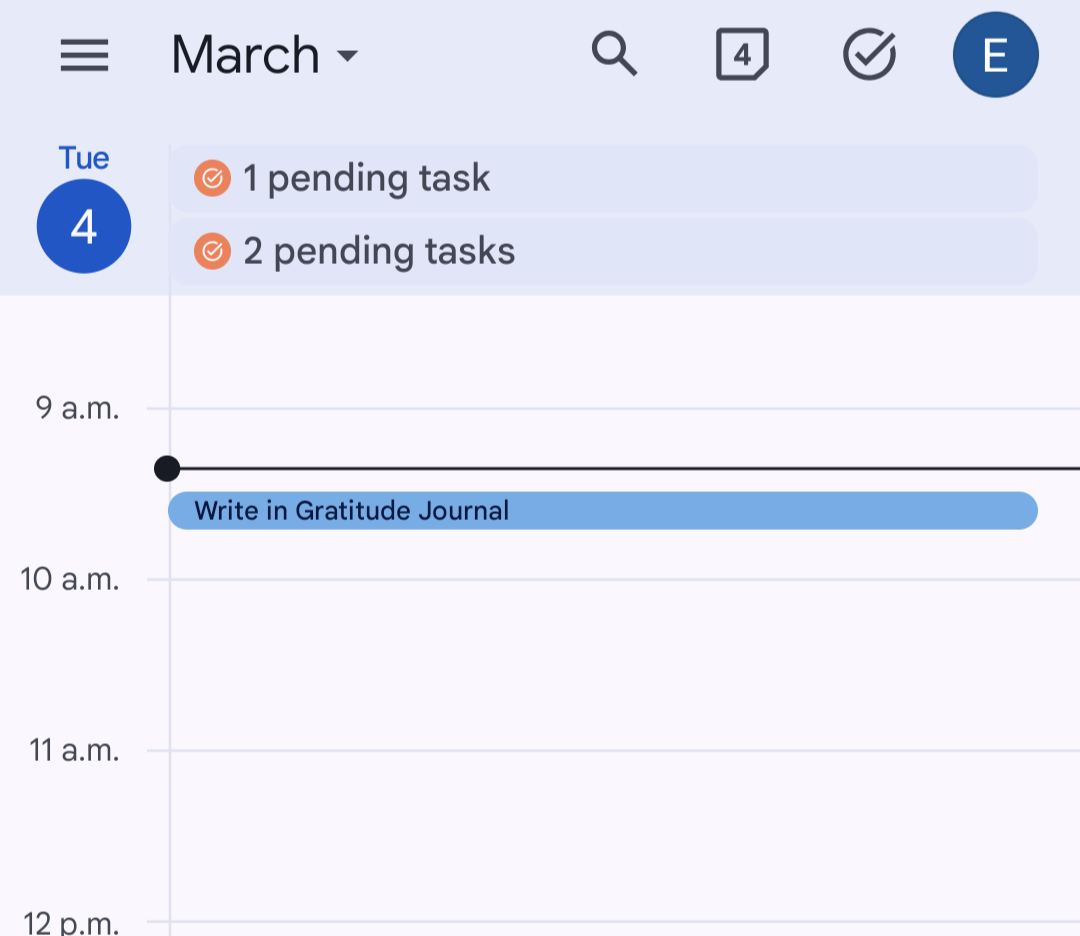
Not going to lie—I’m still not incorporating my gratitude journal into my routine the way I know I should. I love the idea of it, and I know how powerful it can be, but somehow, the days slip by, and I realize I haven’t written in it for a while.
So today, I decided to do something about it. Instead of just hoping I’d remember, I found a time in my schedule that actually works for me and blocked out a 10-minute slot. That’s it—just 10 minutes to pause, reflect, and write down what I’m grateful for.
The truth is, if something matters to us, we need to make space for it. Gratitude journaling isn’t just a nice idea—it’s a mindset shift that helps us see the good, even on tough days. And I know that if I’m intentional about making it a habit, it will become second nature.
What about you? How are you doing with your gratitude journal? If you’ve fallen off track, maybe today’s the day to schedule just 10 minutes. Let’s hold ourselves accountable and make gratitude a daily practice.
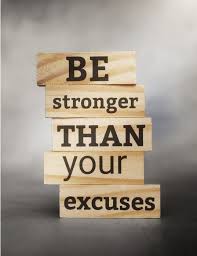
In the journey toward achieving our goals, there’s one thing that holds many people back more than anything else: excuses. They seem harmless at first—just a small reason why we can’t do something. But when we allow them to take root, they can prevent us from living up to our full potential. The phrase “Be stronger than your excuses” is a reminder that we hold the power to overcome the reasons we give ourselves for not pushing forward.
What Does “Be Stronger Than Your Excuses” Mean?
This quote is a call to action, encouraging you to take responsibility for your actions (or lack thereof) and not let external factors, fears, or perceived limitations control your decisions. It’s about looking at the challenges ahead and choosing to rise above them instead of giving in to the temptation to settle for comfort or complacency.
Excuses are often rooted in fear, doubt, or a lack of confidence. They manifest as reasons why we can’t do something, even if the real issue is that we’re not willing to put in the effort required. The key to growth is recognizing these excuses for what they are: obstacles that can be overcome with a shift in mindset.
Excuses Are Easy, but They Don’t Serve You
It’s easy to make excuses. When things get tough, or when progress is slow, it feels better to justify stopping than to keep pushing forward. But here’s the truth: Excuses are a way to avoid doing the hard work that’s necessary for success.
For example:
“I don’t have enough time” becomes “I haven’t prioritized my goals.”
“It’s too hard” turns into “I haven’t developed the skills to make it easier.”
“I’m not good enough” is simply “I haven’t given myself the chance to grow.”
Making excuses may feel comfortable in the short term, but it only holds us back in the long run. We end up living in a cycle of “what ifs” instead of actively working toward what we want.
Turning Excuses into Opportunities
Being stronger than your excuses means recognizing them and then taking action. Instead of saying “I can’t,” ask yourself “How can I?”
Reframe your mindset: Instead of thinking about what you lack, focus on what you have. What strengths can you leverage? What steps can you take today to get closer to your goal?
Set clear goals: When you set clear, achievable goals, you reduce the temptation to make excuses. Break large tasks into smaller, manageable steps so you can make progress every day.
Focus on discipline over motivation: Motivation is fleeting, but discipline is what will carry you through when the excitement fades. Cultivate habits that align with your goals, and when challenges arise, lean on your routine to stay on track.
Surround yourself with support: The right people can help keep you accountable. Surround yourself with those who inspire you to keep going, and seek out mentors or friends who remind you of your strengths.
How to Push Past Your Excuses
Acknowledge the excuse: The first step is to be honest with yourself. Recognize the excuses you’re making, and don’t sugarcoat them.
Ask why: Dig deeper. Why are you making this excuse? Is it fear of failure? Is it a lack of belief in yourself? Getting to the root of the excuse can help you overcome it.
Take small action steps: Even if you don’t feel ready, take one small step toward your goal. Action breeds confidence, and once you start moving, you’ll find the momentum to keep going.
Celebrate progress: Every step forward, no matter how small, is worth celebrating. Recognizing your progress helps reinforce that you’re stronger than the excuses holding you back.
Overcoming Obstacles to Achieve Success
The path to success is rarely a straight line. There will be obstacles, distractions, and setbacks along the way. But the people who succeed are those who don’t let these challenges become excuses. They find ways to navigate them, learn from them, and keep moving forward.
Excuses are a natural part of being human, but they don’t have to dictate your future. Every time you choose action over comfort, you’re one step closer to becoming the person you’re meant to be. Choose to be stronger than your excuses—and watch as you unlock your true potential.
The Power of Taking Responsibility
At the end of the day, being stronger than your excuses isn’t about perfection; it’s about growth. It’s about recognizing that while obstacles are inevitable, you have the power to overcome them. By taking ownership of your choices and pushing past your excuses, you take control of your life and set yourself on the path to success.
Remember, your dreams won’t come true by making excuses. They will come true by taking action, no matter how small, and being stronger than the reasons you give yourself to stop.










 Terry McDaniel