
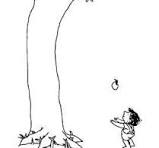
Shel Silverstein’s classic children’s book, The Giving Tree, is more than just a story about a tree and a boy. It’s a poignant reflection on the themes of unconditional love, selflessness, and sacrifice. As you read the tale, you can’t help but feel the deep emotional connection between the tree and the boy, and you’ll be left reflecting on the broader lessons this story imparts.
The Story in a Nutshell
The Giving Tree follows the relationship between a young boy and a tree that loves him deeply. The tree is always happy to give whatever the boy asks for—whether it’s her apples to sell, her branches to build a house, or even her trunk to build a boat. Throughout the story, the boy grows older and his needs change, but the tree continues to give without asking for anything in return. The boy takes, takes, and takes, yet the tree never wavers in her devotion.
By the end of the story, the boy is old and weary, and all that remains of the tree is a stump. Despite having given everything, the tree is still happy because she can offer the boy a place to rest. The story ends with the boy sitting on the tree stump, grateful for the tree’s sacrifices.
Unconditional Love: The Core of the Story
At its heart, The Giving Tree is about unconditional love. The tree’s love for the boy is not dependent on what he gives her in return. No matter how much the boy takes or how much he changes, the tree continues to love him, always ready to offer what she has. The tree represents a love that is unselfish, constant, and ever-giving. This kind of love is rare in the world, and perhaps that’s why the story resonates so deeply with readers.
The message is clear: true love doesn’t demand reciprocation. It’s not about expecting something in return for the love or kindness you offer. Instead, it’s about giving freely and without reservation, trusting that love will always find a way to be meaningful, even if it’s not always acknowledged.
The Sacrifice of Selflessness
As the story progresses, the tree’s sacrifices become more significant. She gives her apples, her branches, and finally, her trunk. With each gift, she loses a part of herself, yet she never expresses regret or sadness. She finds joy in the boy’s happiness and in knowing that she has played a role in his life.
This theme of selflessness is powerful. The tree doesn’t ask for anything in return—she simply wants to give to the boy, no matter the cost to herself. Her willingness to sacrifice for the boy reflects a higher form of love that is rare in the world. It serves as a reminder that sometimes love requires sacrifice, and that’s okay. True generosity and selflessness don’t count the cost—they simply give, because that’s what love demands.
A Cautionary Tale: The Balance of Love and Taking
While The Giving Tree is a story about love and sacrifice, it also serves as a subtle cautionary tale. The boy, as he grows older, becomes more and more focused on taking. He doesn’t seem to notice or appreciate the tree’s sacrifices, and he only returns when he needs something else. Over time, this imbalance of giving and taking creates a relationship where only one side benefits.
This part of the story can make readers pause and reflect on their own relationships. Are we more like the tree, offering love and care without expecting anything in return? Or are we more like the boy, taking from others without recognizing the cost?
The Giving Tree doesn’t just teach us how to love selflessly—it also invites us to consider the importance of reciprocity in our relationships. While it’s noble to give, true love involves mutual respect, understanding, and appreciation.
The Takeaway: Love Beyond Measure
At the end of the day, The Giving Tree teaches that love is an incredibly powerful force. It’s capable of endless sacrifice, but it also requires balance and appreciation. As we grow older, we must learn to appreciate the love and sacrifices of others, just as we must learn to love and care for those around us.
While we can all strive to embody the tree’s selflessness, we must also recognize the importance of giving love in a way that encourages mutual respect and appreciation. We may not always have the ability to give everything we have, but we can certainly find ways to offer love and support in meaningful ways—whether that’s with a listening ear, a kind word, or even just a small gesture.
In the end, The Giving Tree shows us that love, in its purest form, transcends boundaries and conditions. It’s a reminder that true generosity and love often come with sacrifice, but they also have the power to shape and transform lives in ways that words alone cannot capture.

 Terry McDaniel