
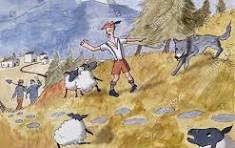
The fable of The Boy Who Cried Wolf offers a moral lesson that remains relevant across generations. A young shepherd boy grows bored watching sheep, so he falsely cries out, “Wolf!” The nearby villagers rush to help, only to find there’s no wolf. After repeated false alarms, the villagers stop responding. When a real wolf finally appears, the boy cries out in vain—no one believes him, and the wolf wreaks havoc.
The story underscores the importance of honesty and the consequences of losing trust. It’s a simple tale with profound implications for how we navigate relationships and responsibilities.
How This Fable Relates to Modern Life
From clickbait headlines to overpromised products, modern society is riddled with cries of “Wolf!” Whether in personal relationships or professional environments, trust is often tested by exaggerations or dishonesty. The takeaway? People can only extend their belief so far. Trust, once lost, is hard to regain.
Personal Reflection
I remember a childhood neighbor who frequently knocked on doors, claiming he needed help for various “emergencies” that turned out to be pranks. Eventually, everyone ignored him—even when his bike really was stolen. Looking back, it was a textbook case of how trust erodes when misused. That experience stayed with me, reminding me to take integrity seriously, even in the smallest interactions.
Applying the Lesson
Here are three ways to ensure your words hold weight:
- Be Consistently Truthful
Whether it’s admitting a mistake or managing expectations, honesty fosters trust and strengthens relationships. - Understand the Power of Words
Not every situation needs drama. Reserve urgency for moments that truly deserve it. - Commit to Authenticity
Regularly check if your actions and words align with your values. Authenticity leaves no room for doubt.
The Boy Who Cried Wolf reminds us that trust is our most valuable currency. Guard it carefully, and it will serve you well.

 Terry McDaniel