
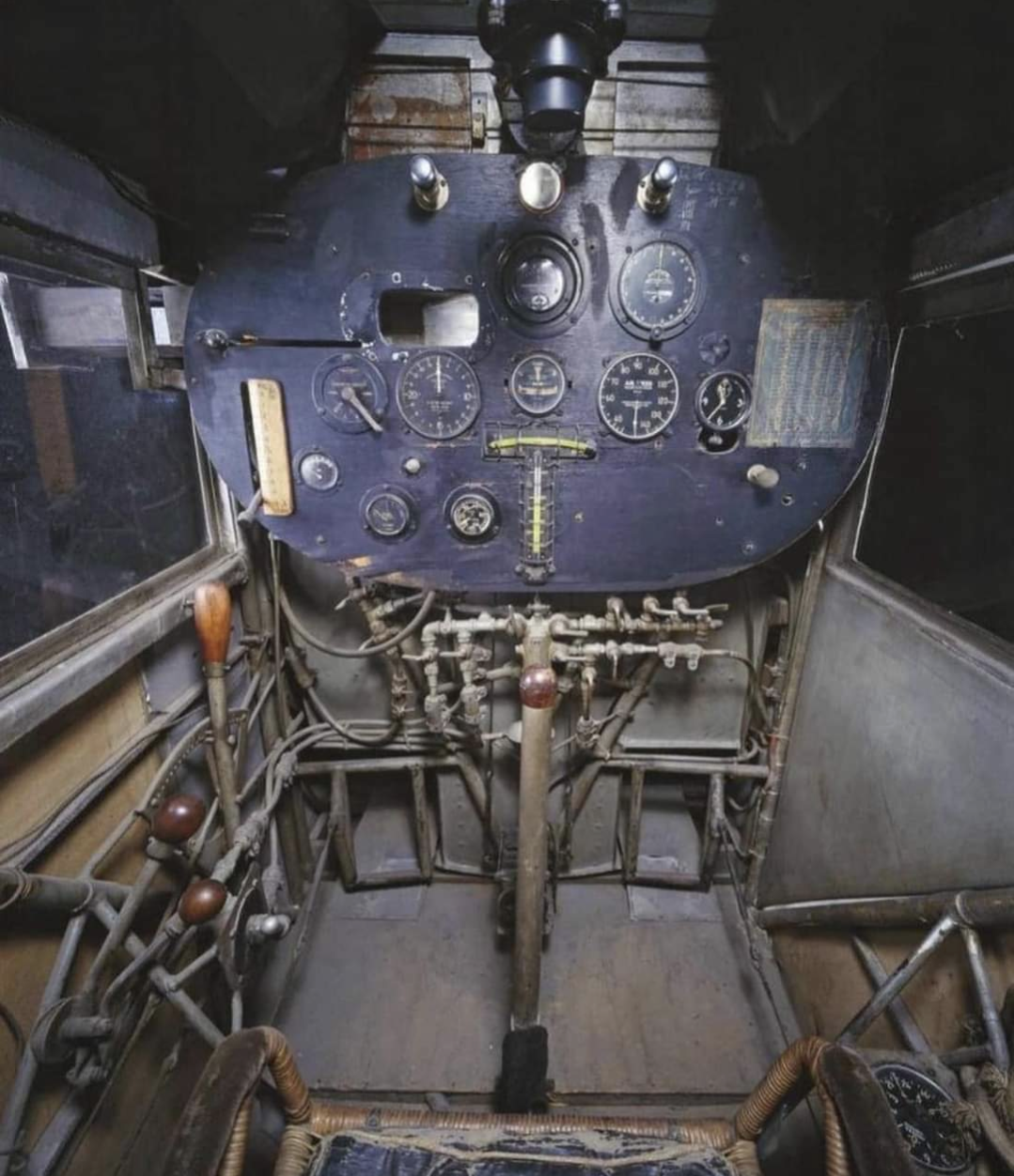
The cockpit of the Spirit of Saint Louis, the aircraft that Charles Lindbergh flew on his historic solo non-stop transatlantic flight in 1927, was a unique and challenging space. Lindbergh, a U.S. Air Mail pilot, wanted a plane that would maximize his chances of success, so he oversaw the design and construction of the Spirit in just 60 days.
To maintain balance and protect himself in the event of a crash, Lindbergh had the fuel tanks positioned in the front of the fuselage, ahead of the pilot. This meant there was no traditional windshield, and forward visibility was limited to side windows. However, this didn’t concern Lindbergh, as he was accustomed to flying in mail planes with cargo obstructing his view. He simply relied on looking out the sides when he needed to see forward.
To address the need for some form of forward vision, Lindbergh sought the help of a former submarine serviceman who designed and installed a periscope in the cockpit. The cramped space measured only 94 cm wide, 81 cm long, and 130 cm high, leaving Lindbergh with barely enough room to move.
Today, the Spirit of St. Louis is proudly exhibited at the Smithsonian National Air and Space Museum, a testament to Lindbergh’s groundbreaking achievement and the unique features of the aircraft he flew.
Credit @Ezinwanne

 Terry McDaniel